
Your gut is home to trillions of microorganisms that influence everything from digestion to immunity, and combining prebiotics with fermented foods creates a powerful synergy for optimal gut health.

🦠 Understanding the Gut Microbiome Revolution
The human gut contains approximately 100 trillion bacterial cells, outnumbering our own human cells. This complex ecosystem, known as the gut microbiome, plays a crucial role in nutrient absorption, immune function, mental health, and even weight management. Recent scientific research has revealed that the diversity and balance of these microorganisms directly impact our overall wellbeing in ways we’re only beginning to understand.
When we talk about gut health, we’re essentially discussing the delicate balance between beneficial and potentially harmful bacteria. A healthy gut microbiome is diverse, resilient, and dominated by beneficial species that support digestion, produce essential vitamins, and protect against pathogens. However, modern lifestyle factors including processed foods, antibiotics, stress, and environmental toxins can disrupt this balance, leading to dysbiosis and various health complications.
The Dynamic Duo: Prebiotics and Probiotics Explained
To truly understand how to boost gut health safely, we need to grasp the difference between prebiotics and probiotics, and more importantly, how they work together synergistically.
What Are Prebiotics?
Prebiotics are non-digestible fiber compounds that serve as food for beneficial gut bacteria. Think of them as fertilizer for your internal garden. These specialized plant fibers pass through the upper part of your gastrointestinal tract undigested and become fermented when they reach the colon. This fermentation process feeds beneficial bacteria, helping them thrive and multiply.
Common prebiotic fibers include inulin, fructooligosaccharides (FOS), galactooligosaccharides (GOS), and resistant starch. These compounds are naturally found in foods like garlic, onions, leeks, asparagus, bananas, oats, and Jerusalem artichokes.
Understanding Probiotics in Fermented Foods
Probiotics are live beneficial bacteria and yeasts that provide health benefits when consumed in adequate amounts. Fermented foods are nature’s original probiotic delivery system, containing billions of these living microorganisms. Unlike probiotic supplements, fermented foods offer a complex matrix of beneficial bacteria, enzymes, vitamins, and other bioactive compounds that work together to support gut health.
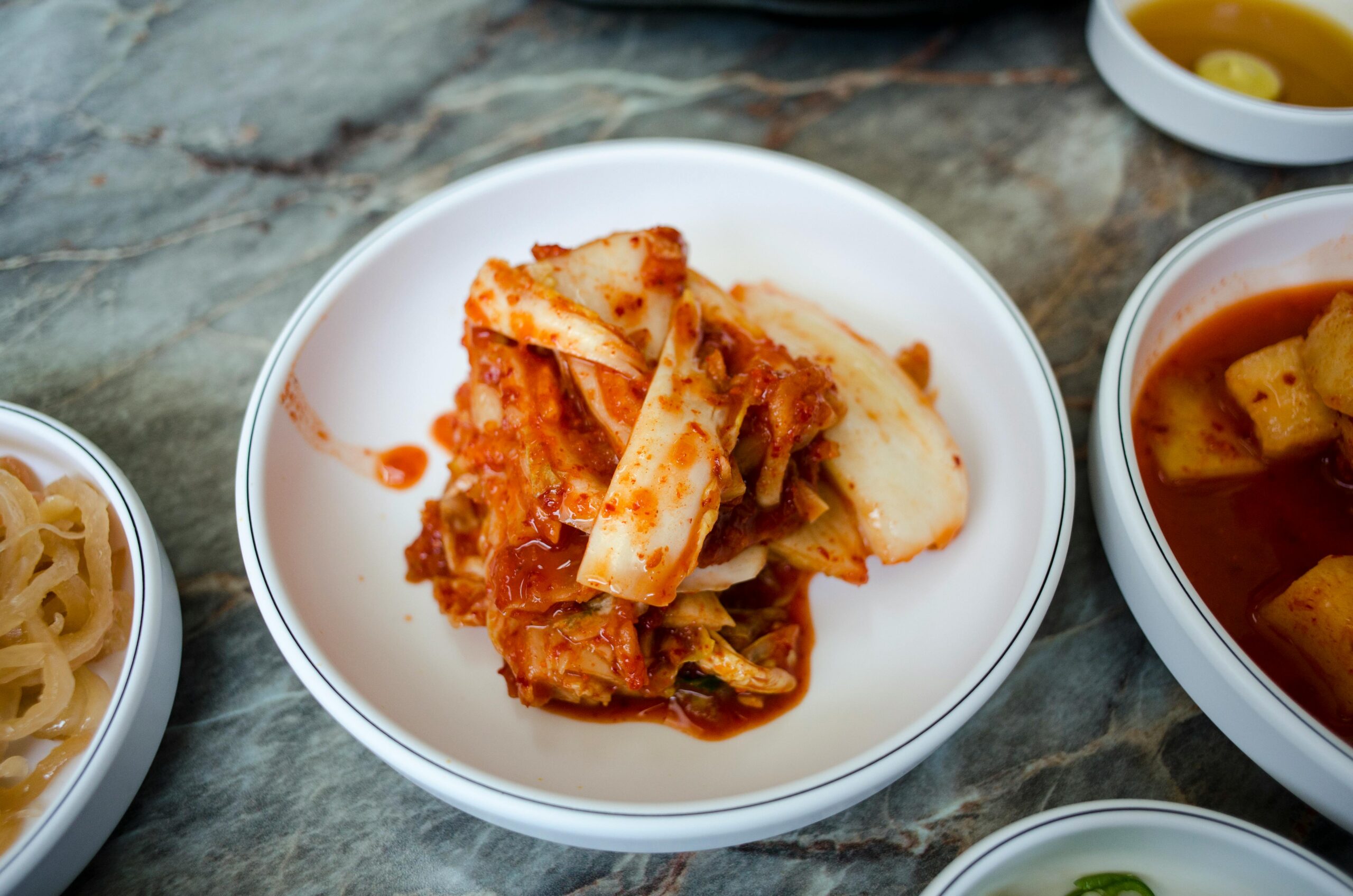
Traditional fermented foods include yogurt, kefir, sauerkraut, kimchi, kombucha, miso, tempeh, and traditional pickles. Each of these foods contains different strains of beneficial bacteria, contributing to microbiome diversity.
🌟 The Synergistic Power: Why Combining Matters
While both prebiotics and fermented foods offer individual benefits, their combination creates a synergistic effect known as the “synbiotic” approach. When you consume prebiotics alongside fermented foods, you’re essentially providing both the workers (probiotics) and their food source (prebiotics) simultaneously.
This combination enhances the survival rate of beneficial bacteria as they travel through the acidic stomach environment. The prebiotics act as protective compounds and provide immediate nourishment once the probiotics reach the colon. Research shows that this synbiotic approach leads to better colonization, increased bacterial diversity, and more sustained health benefits compared to consuming either element alone.
Scientific Evidence Supporting the Combination
Multiple studies have demonstrated the superior effectiveness of combining prebiotics with probiotics. A 2019 study published in the journal Nutrients found that participants who consumed both prebiotic fibers and fermented foods experienced greater improvements in digestive symptoms, immune markers, and microbiome diversity compared to those who consumed only one or the other.
Another research paper in the World Journal of Gastroenterology highlighted that synbiotic combinations improved intestinal barrier function, reduced inflammation, and enhanced the production of short-chain fatty acids (SCFAs) – beneficial compounds produced when gut bacteria ferment prebiotic fibers.
🥗 Practical Ways to Combine Prebiotics with Fermented Foods
Incorporating this powerful combination into your daily routine doesn’t require complicated meal planning or expensive supplements. Here are practical, delicious ways to create synbiotic meals naturally:
Breakfast Combinations
- Yogurt parfait with prebiotic boost: Layer probiotic-rich yogurt or kefir with sliced bananas (resistant starch), oats (beta-glucan fiber), and a sprinkle of ground flaxseeds
- Fermented oatmeal: Soak oats overnight in kefir instead of water, then cook and top with berries and a drizzle of honey
- Smoothie synergy: Blend kefir with frozen bananas, spinach, and a tablespoon of raw Jerusalem artichoke powder for an inulin boost
Lunch and Dinner Ideas
- Probiotic bowl: Create a grain bowl with fermented vegetables like kimchi or sauerkraut, served over quinoa (prebiotic content) with roasted asparagus and garlic
- Miso soup enhanced: Add leeks, onions, and seaweed to traditional miso soup for a double dose of prebiotics with your probiotics
- Tempeh stir-fry: Cook tempeh with prebiotic vegetables like garlic, onions, and Jerusalem artichokes
- Fermented condiment strategy: Use kimchi, sauerkraut, or fermented pickles as side dishes or condiments with meals containing whole grains and vegetables
Snack Options
- Apple slices with kefir cheese
- Raw sauerkraut with whole grain crackers
- Kombucha paired with a small handful of cashews (contain prebiotic fibers)
- Yogurt dip made with garlic and herbs, served with raw vegetables
💪 Health Benefits Beyond Digestion
The impact of combining prebiotics with fermented foods extends far beyond improved digestion. This synergistic approach influences multiple body systems and health outcomes.
Enhanced Immune Function
Approximately 70-80% of your immune system resides in your gut. By nourishing beneficial bacteria with prebiotics and introducing diverse probiotic strains through fermented foods, you strengthen your body’s first line of defense. Studies show that individuals who regularly consume synbiotic combinations experience fewer respiratory infections, reduced allergy symptoms, and better overall immune response.
Mental Health and Mood Support
The gut-brain axis represents a bidirectional communication system between your digestive system and your brain. Your gut bacteria produce neurotransmitters like serotonin, dopamine, and GABA, which directly influence mood, anxiety, and cognitive function. Research indicates that synbiotic interventions may help reduce symptoms of depression and anxiety while improving stress resilience.
Metabolic Health and Weight Management
A balanced gut microbiome influences how your body processes food, stores fat, and regulates blood sugar levels. The combination of prebiotics and fermented foods has been shown to improve insulin sensitivity, reduce inflammation associated with metabolic syndrome, and support healthy weight management by promoting satiety and reducing cravings.
Skin Health Improvements
The gut-skin axis reveals that internal microbiome health reflects externally. Many individuals report improvements in acne, eczema, rosacea, and overall skin radiance when they prioritize gut health through synbiotic nutrition. The anti-inflammatory effects and enhanced nutrient absorption contribute to these visible benefits.
🛡️ Safety Considerations and Best Practices
While combining prebiotics with fermented foods is generally safe for most people, there are important considerations to ensure you’re boosting your gut health safely and effectively.
Start Slowly and Build Gradually
If you’re new to fermented foods or high-fiber prebiotic foods, introduce them gradually. Starting with large amounts can cause temporary digestive discomfort including bloating, gas, or changes in bowel movements. Begin with small portions – perhaps a tablespoon of sauerkraut or a quarter cup of kefir – and slowly increase over several weeks as your gut adapts.
Quality Matters: Choosing the Right Foods
Not all fermented foods contain live probiotics. Pasteurization kills beneficial bacteria, so look for refrigerated products labeled “raw,” “unpasteurized,” or “contains live cultures.” For yogurt and kefir, check labels for “live and active cultures.” When possible, choose organic options to minimize exposure to pesticides that can disrupt gut bacteria.
Diversity Is Key
Different fermented foods contain different bacterial strains, and various prebiotic fibers feed different beneficial species. Rotate your choices regularly rather than eating the same fermented food every day. Aim for variety in both your probiotic sources and prebiotic fiber types to maximize microbiome diversity.
When to Exercise Caution
Certain individuals should consult healthcare providers before significantly increasing fermented foods or prebiotics:
- People with SIBO (Small Intestinal Bacterial Overgrowth) may need modified approaches
- Individuals with histamine intolerance might react to aged fermented foods
- Those with compromised immune systems should discuss food safety with their doctors
- People with IBS may benefit from working with a dietitian to identify tolerated foods
- Anyone taking immunosuppressant medications should seek medical guidance
📊 Tracking Your Progress and Results
Understanding whether your synbiotic approach is working requires attention to both subjective feelings and objective markers. Keep a simple journal tracking digestion quality, energy levels, mood, skin changes, and sleep quality. Most people notice initial improvements within 2-4 weeks, with more significant changes developing over 2-3 months as the microbiome rebalances.
Signs that your gut health is improving include more regular bowel movements, reduced bloating, increased energy, better mood stability, fewer sugar cravings, improved skin appearance, and enhanced immunity. If you experience persistent negative symptoms, consider working with a functional medicine practitioner or registered dietitian specializing in gut health.
🌱 Making It Sustainable: Long-Term Success Strategies
The key to lasting gut health improvements lies in creating sustainable habits rather than following restrictive protocols. View this as a lifestyle enhancement rather than a temporary intervention.
Meal Prep for Success
Dedicate time weekly to prepare fermented vegetables or purchase quality products. Keep plain kefir or yogurt stocked in your refrigerator. Prep prebiotic-rich vegetables in advance so they’re readily available for meals. This preparation removes barriers and makes healthy choices convenient.
Cultural Exploration Through Food
Make gut health delicious by exploring fermented foods from different cultures. Try Korean kimchi, German sauerkraut, Japanese miso and natto, Indian lassi, Ethiopian injera, or Eastern European kefir. This cultural approach adds excitement and ensures bacterial diversity.
Home Fermentation Adventure
Consider learning basic fermentation techniques at home. Making your own sauerkraut, yogurt, or kombucha is more economical than purchasing premium products and allows you to control ingredients. Home fermentation also creates fresher products with potentially higher probiotic counts.
Beyond Food: Supporting Factors for Gut Health
While combining prebiotics with fermented foods forms the foundation of gut health, other lifestyle factors significantly impact your microbiome. Adequate sleep, stress management, regular physical activity, and minimizing unnecessary antibiotic use all contribute to maintaining the benefits you’ve worked to achieve.
Staying properly hydrated helps fiber move through your digestive system and supports the mucus layer that protects your intestinal lining. Aim for at least 8 glasses of water daily, increasing intake when consuming more fiber. Limiting processed foods, artificial sweeteners, and excessive alcohol protects your gut bacteria from disruption.
🎯 Your Personalized Gut Health Journey
Remember that gut health is highly individual. What works perfectly for one person may need adjustment for another. Your unique microbiome composition, genetic factors, health history, and lifestyle all influence your optimal approach. Pay attention to your body’s signals and adjust accordingly.
Some people thrive with dairy-based fermented foods like yogurt and kefir, while others do better with plant-based options like sauerkraut and kimchi. Similarly, some individuals tolerate all prebiotic fibers well, while others need to emphasize certain types over others. This personalization is part of the journey toward optimal gut health.
The power of combining prebiotics with fermented foods lies in its simplicity and safety. Unlike aggressive protocols or expensive supplements, this approach works with your body’s natural systems, gently supporting the beneficial bacteria that want to thrive within you. By providing both the living microorganisms and their preferred food sources, you create an internal environment where health naturally flourishes.
Start today with one small change – perhaps adding a serving of sauerkraut to your lunch or enjoying kefir with your morning oats. Build gradually, stay consistent, and trust the process. Your gut microbiome has remarkable capacity to heal and rebalance when given the right support. The combination of prebiotics and fermented foods offers exactly that support, delivering benefits that extend far beyond digestion to influence your entire wellbeing from the inside out.