
Your gut is home to trillions of microorganisms that influence everything from digestion to mental health. Understanding how to nourish this internal ecosystem can transform your wellbeing.

🦠 Why Your Gut Microbiome Matters More Than You Think
The human gut contains approximately 100 trillion microorganisms, collectively weighing about 2 kilograms. This complex community of bacteria, fungi, viruses, and other microbes forms what scientists call the gut microbiome. Far from being mere passengers, these microscopic inhabitants play crucial roles in digestion, immune function, hormone production, and even brain health.
Recent research has revealed that gut health influences conditions ranging from obesity and diabetes to depression and autoimmune diseases. The composition of your gut microbiome can affect nutrient absorption, inflammation levels, and your body’s ability to fight infections. This discovery has sparked enormous interest in strategies to optimize gut health, with prebiotics, probiotics, and synbiotics emerging as powerful tools.
The balance between beneficial and harmful bacteria in your gut directly impacts your overall health. When this balance tips toward harmful microbes—a condition called dysbiosis—various health problems can emerge. Maintaining a diverse, thriving gut microbiome has become a cornerstone of preventive health strategies.
Understanding Probiotics: The Beneficial Bacteria
Probiotics are live microorganisms that, when consumed in adequate amounts, provide health benefits to the host. These beneficial bacteria and yeasts help maintain the delicate balance of your gut ecosystem by crowding out harmful pathogens, producing beneficial compounds, and supporting your immune system.
The most common probiotic strains belong to the Lactobacillus and Bifidobacterium families, though other species like Saccharomyces boulardii (a beneficial yeast) also offer significant benefits. Each strain provides different advantages, making strain selection important for targeting specific health concerns.
Key Benefits of Probiotic Supplementation
Scientific studies have documented numerous benefits associated with probiotic consumption. These microscopic allies can help restore gut balance after antibiotic treatment, which typically decimates both harmful and beneficial bacteria indiscriminately. Probiotics have also demonstrated effectiveness in managing irritable bowel syndrome (IBS), reducing the duration of infectious diarrhea, and alleviating symptoms of inflammatory bowel diseases.
Beyond digestive health, probiotics influence immune function by modulating the gut-associated lymphoid tissue, which contains approximately 70% of your immune system. Regular probiotic consumption has been linked to reduced incidence of respiratory infections, improved allergic responses, and enhanced vaccine effectiveness.
Emerging research suggests probiotics may also support mental health through the gut-brain axis—a bidirectional communication system between your gut and brain. Certain probiotic strains have shown promise in reducing anxiety, depression, and stress-related symptoms, earning them the nickname “psychobiotics.”
Natural Food Sources Rich in Probiotics
You don’t necessarily need supplements to increase your probiotic intake. Fermented foods provide naturally occurring beneficial bacteria along with valuable nutrients and bioactive compounds created during fermentation.
- Yogurt: Contains Lactobacillus and Streptococcus thermophilus strains; choose varieties with “live and active cultures” labels
- Kefir: A fermented milk drink with greater bacterial diversity than yogurt, containing up to 60 different strains
- Sauerkraut: Fermented cabbage rich in Lactobacillus plantarum; choose unpasteurized versions for live bacteria
- Kimchi: A spicy Korean fermented vegetable dish containing multiple probiotic strains and beneficial compounds
- Kombucha: A fermented tea beverage containing beneficial bacteria and yeasts
- Miso: A fermented soybean paste used in Japanese cuisine, rich in Aspergillus oryzae
- Tempeh: Fermented soybeans with a firm texture, containing Rhizopus oligosporus
Prebiotics: Fuel for Your Beneficial Bacteria
While probiotics introduce beneficial microorganisms, prebiotics are specialized plant fibers that feed the good bacteria already residing in your gut. These non-digestible food components pass through your upper gastrointestinal tract undigested, reaching your colon where they’re fermented by beneficial bacteria.
This fermentation process produces short-chain fatty acids (SCFAs) like butyrate, propionate, and acetate—compounds that nourish colon cells, reduce inflammation, and influence metabolism throughout your body. Prebiotics essentially act as fertilizer for your internal garden, helping beneficial bacteria flourish and multiply.
Types of Prebiotic Fibers and Their Sources
Several types of dietary fibers function as prebiotics, each with unique characteristics and benefits. Inulin and fructooligosaccharides (FOS) are among the most studied, selectively stimulating the growth of Bifidobacteria and Lactobacilli while inhibiting pathogenic bacteria.
Galactooligosaccharides (GOS) are particularly effective at promoting Bifidobacteria growth and are commonly added to infant formulas to mimic the prebiotic effects of human breast milk. Resistant starch, which resists digestion in the small intestine, also functions as a powerful prebiotic, particularly for butyrate-producing bacteria.
Foods Naturally High in Prebiotics 🥦
Incorporating prebiotic-rich foods into your daily diet provides sustained nourishment for your gut microbiome without requiring supplementation:
- Chicory root: Contains approximately 65% inulin by weight, the highest concentration among common foods
- Jerusalem artichokes: Rich in inulin, providing about 31% prebiotic fiber
- Garlic: Contains inulin and FOS while offering antimicrobial properties against harmful bacteria
- Onions: Provide inulin and FOS, with red onions offering additional polyphenols
- Leeks: Another allium family member rich in inulin
- Asparagus: Contains inulin along with vitamins and antioxidants
- Bananas: Especially when slightly green, providing resistant starch and inulin
- Oats: Rich in beta-glucan fiber with prebiotic properties
- Apples: Contain pectin, a soluble fiber with prebiotic effects
- Flaxseeds: Provide both soluble and insoluble fibers that benefit gut bacteria
Synbiotics: The Powerful Combination
Synbiotics represent the strategic combination of prebiotics and probiotics in a single product or dietary approach. The concept behind synbiotics is synergy—the prebiotic component provides immediate nourishment for the probiotic strains, increasing their survival through the harsh acidic environment of the stomach and enhancing their colonization of the gut.
This combination approach can be more effective than using probiotics alone, as it ensures the introduced beneficial bacteria have the fuel they need to establish themselves and compete with existing microbiota. Synbiotics can be formulated with specific prebiotic-probiotic pairings designed for particular health outcomes.
Designing Your Own Synbiotic Strategy
You can create synbiotic effects through thoughtful food combinations without purchasing specialized supplements. Pairing probiotic-rich fermented foods with prebiotic fiber sources creates a synbiotic meal that supports comprehensive gut health.
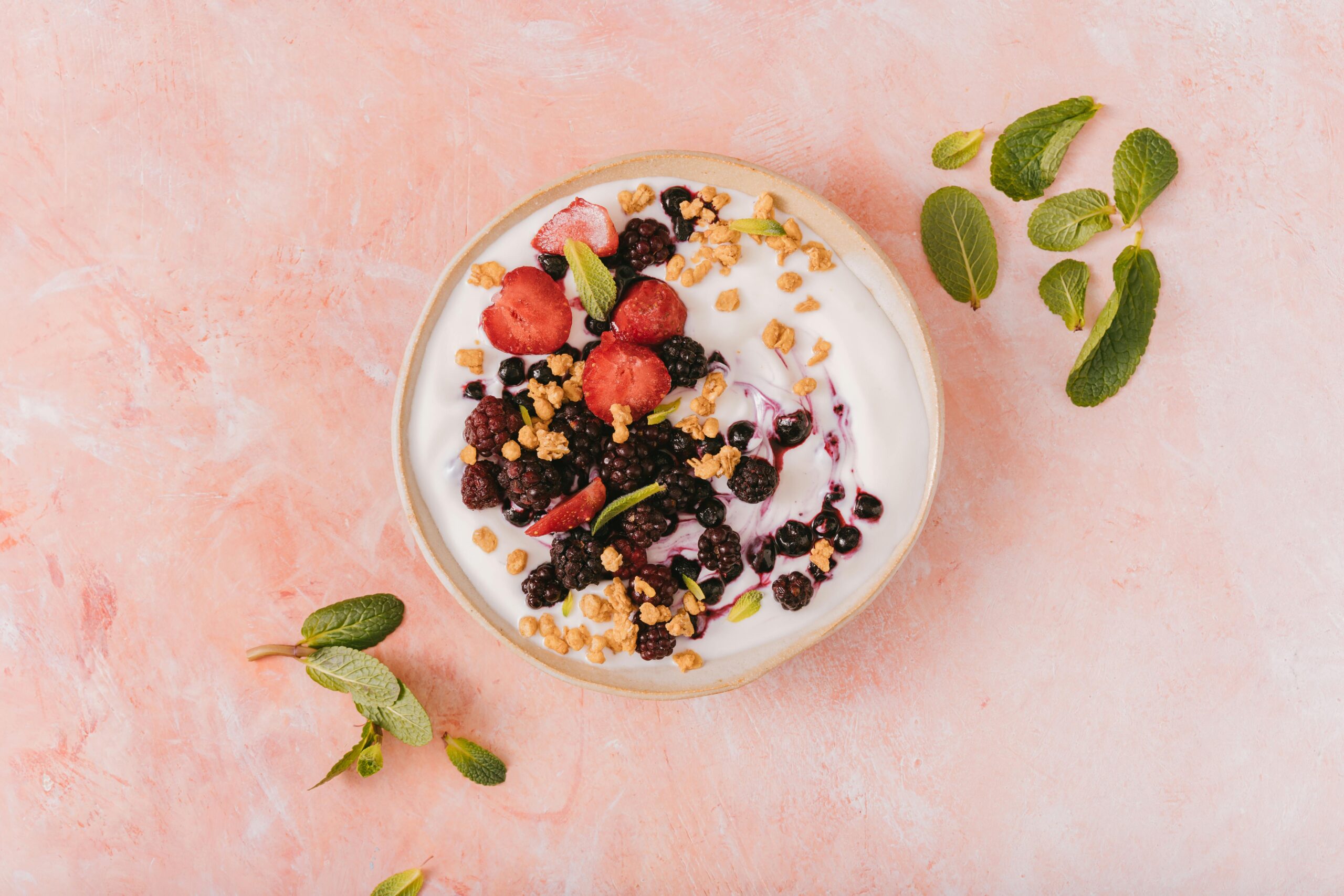
For example, enjoying yogurt topped with sliced banana and oats combines probiotics from the yogurt with prebiotics from the banana (resistant starch) and oats (beta-glucan). Similarly, a meal of tempeh with garlic, onions, and asparagus provides both the beneficial microorganisms and the fiber to feed them.
🎯 Choosing the Right Supplements for Your Needs
While whole foods should form the foundation of any gut health strategy, supplements can provide targeted support, especially for specific health conditions or after antibiotic treatment. Understanding how to select quality products ensures you’re getting effective probiotics and prebiotics.
What to Look for in Probiotic Supplements
Probiotic supplement quality varies dramatically between products. Look for supplements that clearly identify the genus, species, and strain of included bacteria (for example, Lactobacillus rhamnosus GG rather than just “Lactobacillus”). The strain designation matters because different strains of the same species can have vastly different effects.
Check the colony-forming units (CFUs) listed on the label, which indicates the number of viable bacteria. Most effective probiotic supplements contain between 1 billion and 10 billion CFUs per serving, though higher amounts aren’t necessarily better. The product should guarantee potency through the expiration date, not just at the time of manufacture.
Storage requirements matter—some strains require refrigeration to maintain viability, while others are shelf-stable. Enteric coating or special capsule technology can protect bacteria from stomach acid, improving their survival to reach the intestines where they provide benefits.
Evaluating Prebiotic Supplements
Prebiotic supplements typically contain concentrated forms of inulin, FOS, GOS, or other prebiotic fibers. Start with smaller doses (around 2-5 grams daily) and gradually increase to avoid digestive discomfort like gas and bloating, which can occur as your gut bacteria adjust to increased fiber fermentation.
Quality prebiotic supplements should specify the type and amount of prebiotic fiber included. Some products combine multiple prebiotic types to feed diverse bacterial populations, which can be more effective than single-fiber supplements.
Practical Implementation: Your 30-Day Gut Health Challenge
Transforming your gut health doesn’t require drastic overnight changes. A gradual, sustainable approach yields better long-term results. Here’s a structured 30-day plan to incorporate prebiotics, probiotics, and synbiotics into your lifestyle.
Week 1: Establishing Your Baseline
Begin by tracking your current digestive symptoms, energy levels, and mood for three days before making changes. This baseline helps you recognize improvements. Introduce one serving of probiotic-rich food daily—perhaps a cup of yogurt or a small serving of sauerkraut. Keep the rest of your diet consistent to isolate the effects of this addition.
Week 2: Adding Prebiotic Foods
Maintain your daily probiotic food while gradually adding prebiotic-rich vegetables to your meals. Start with cooked options like asparagus, leeks, or onions, which tend to be gentler on the digestive system than raw varieties. Aim for at least two servings of prebiotic foods daily, spread across different meals.
Week 3: Creating Synbiotic Combinations ✨
Begin intentionally pairing probiotic and prebiotic foods at the same meal to create synbiotic effects. Experiment with combinations like yogurt parfaits with banana and oats, kimchi fried rice with asparagus, or kefir smoothies with flaxseeds. Notice how these combinations affect your digestion and overall wellbeing.
Week 4: Optimization and Diversity
Expand your repertoire by trying new fermented foods and prebiotic sources you haven’t previously consumed. Microbial diversity correlates with better health outcomes, so exposing your gut to various bacterial strains and fiber types enhances benefits. Consider trying kombucha, miso soup, tempeh, or Jerusalem artichokes if you haven’t already.
Common Mistakes to Avoid in Your Gut Health Journey
Well-intentioned efforts to improve gut health can sometimes backfire if approached incorrectly. Being aware of common pitfalls helps you navigate your journey more effectively.
Taking excessively high doses of probiotics or prebiotics too quickly often causes uncomfortable gas, bloating, and digestive distress. Your gut microbiome needs time to adjust to changes, so gradual introduction prevents these issues. If you experience persistent discomfort, reduce your intake and increase more slowly.
Another frequent mistake is expecting immediate results. Significant changes in gut microbiome composition typically require several weeks of consistent intervention. Some people notice improvements in digestion within days, but deeper changes in immune function or metabolic health may take months to manifest fully.
Relying exclusively on supplements while neglecting dietary quality undermines gut health efforts. Processed foods, excessive sugar, and artificial additives can damage beneficial bacteria faster than supplements can replenish them. A whole-foods-based diet provides the foundation that supplements enhance rather than replace.
Special Considerations for Different Life Stages and Conditions
Gut health strategies should be tailored to individual circumstances, as different populations have varying needs and considerations.
Pregnancy and Breastfeeding
Pregnant women can safely consume probiotic-rich foods and most probiotic supplements, which may reduce the risk of gestational diabetes, preeclampsia, and excessive weight gain. Maternal gut health also influences infant microbiome development during birth and through breastfeeding. However, pregnant women should consult healthcare providers before starting new supplements.
Children and Adolescents
Early life represents a critical window for microbiome development. Probiotic supplementation has shown benefits for reducing colic, preventing eczema, and supporting immune development in infants and children. Age-appropriate strains and dosages differ from adult recommendations, so pediatric formulations are preferable for young children.
Older Adults
Gut microbiome diversity typically decreases with age, potentially contributing to age-related inflammation and immune dysfunction. Older adults may benefit particularly from probiotic and prebiotic supplementation to maintain microbial diversity and support healthy aging. Prebiotics can help prevent constipation, a common concern in elderly populations.
Measuring Your Progress and Success
Evaluating the effectiveness of your gut health interventions involves both subjective and objective measures. Pay attention to digestive regularity, with healthy bowel movements occurring anywhere from three times daily to three times weekly, depending on individual patterns.
Monitor changes in bloating, gas, abdominal discomfort, and other digestive symptoms. While temporary increases in gas are normal when introducing prebiotics, persistent discomfort may indicate the need to adjust your approach. Notice improvements in energy levels, mood stability, skin health, and immune resilience—all potential indicators of improved gut health.
For those seeking more objective data, several companies now offer at-home microbiome testing kits that analyze the composition of your gut bacteria. While the clinical utility of these tests is still being established, they can provide interesting insights into your microbial diversity and how it changes over time with dietary interventions.
The Future of Gut Health: Emerging Research and Innovations 🔬
The field of gut microbiome research is expanding rapidly, with new discoveries continually reshaping our understanding of these microscopic ecosystems. Scientists are identifying specific bacterial strains that may help prevent or treat particular diseases, leading to increasingly targeted probiotic therapies.
Personalized nutrition based on individual microbiome composition represents an exciting frontier. Research suggests that people respond differently to the same foods based on their unique gut bacteria, meaning that truly optimal nutrition may require personalized dietary recommendations informed by microbiome testing.
Postbiotics—the beneficial compounds produced by probiotic bacteria during fermentation—are gaining attention as potentially more stable and predictable alternatives to live probiotics. These metabolic byproducts, including short-chain fatty acids, bacteriocins, and other bioactive molecules, may offer health benefits without the viability concerns associated with live organisms.
Building a Sustainable Gut-Healthy Lifestyle
Long-term gut health requires consistent habits rather than short-term interventions. Focus on dietary patterns rather than individual foods, emphasizing plant diversity, fermented foods, and minimally processed whole foods. Research suggests that consuming at least 30 different plant foods weekly promotes optimal microbial diversity.
Beyond diet, lifestyle factors significantly influence gut health. Regular physical activity promotes beneficial changes in gut microbiome composition, while chronic stress and inadequate sleep can disrupt microbial balance. Prioritizing stress management, sufficient sleep, and regular movement creates an environment where beneficial bacteria thrive.
Minimize unnecessary antibiotic use, taking these medications only when truly necessary for bacterial infections. When antibiotics are required, consider probiotic supplementation during and after treatment to help restore gut balance more quickly, though you should space probiotics a few hours apart from antibiotic doses.
Your gut microbiome represents a powerful ally in achieving optimal health, influencing far more than just digestion. By understanding and implementing strategies involving prebiotics, probiotics, and synbiotics, you’re investing in a foundation for lifelong wellbeing. The journey to improved gut health is personal and ongoing, requiring patience, experimentation, and commitment to sustainable habits that nourish your internal ecosystem. Start small, be consistent, and pay attention to how your body responds as you unlock the remarkable power of your gut microbiome.