
Prebiotics have become a cornerstone of gut health discussions, yet their effects vary dramatically from person to person, creating a fascinating puzzle for researchers and health enthusiasts alike.

🔬 The Prebiotic Paradox: Why One Size Doesn’t Fit All
When Sarah started taking inulin supplements to improve her digestive health, she experienced bloating and discomfort within days. Meanwhile, her sister Emma felt energized and noticed significant improvements in her digestion using the exact same product. This scenario plays out countless times, highlighting a critical truth about prebiotics: individual responses are remarkably inconsistent.
Prebiotics are non-digestible food components that selectively stimulate the growth and activity of beneficial microorganisms in our gut. While the scientific definition sounds straightforward, the reality of how our bodies process these substances is incredibly complex. Understanding why prebiotics work wonderfully for some individuals while causing distress in others requires diving deep into the intricate world of gut microbiome diversity, genetics, lifestyle factors, and metabolic individuality.
The Microbiome Fingerprint: Your Unique Bacterial Ecosystem 🦠
The foundation of prebiotic response variability lies in the gut microbiome itself. Each person harbors a unique collection of trillions of microorganisms, with compositions as distinctive as fingerprints. This bacterial ecosystem begins forming at birth and continues evolving throughout life, shaped by countless factors including delivery method, feeding patterns, antibiotic exposure, diet, and environmental influences.
Your gut microbiome composition directly determines which bacteria will benefit from specific prebiotics. For instance, inulin primarily feeds Bifidobacteria and certain Lactobacilli species. If your gut already hosts abundant populations of these bacteria, introducing inulin might rapidly amplify their numbers, potentially causing gas production and bloating as they ferment the prebiotic fibers. Conversely, if your microbiome lacks these species or contains them in smaller quantities, the response might be more gradual and better tolerated.
Baseline Diversity Matters Significantly
Research consistently demonstrates that individuals with higher baseline microbiome diversity tend to respond more favorably to prebiotic interventions. A diverse microbiome provides functional redundancy—if one bacterial species cannot effectively utilize a particular prebiotic, another might step in. This diversity also tends to correlate with better overall metabolic flexibility and resilience.
People with compromised microbiome diversity, often resulting from antibiotic courses, restrictive diets, or chronic stress, may experience more pronounced or uncomfortable responses when introducing prebiotics. Their limited bacterial populations might struggle to process the sudden influx of fermentable substrates, leading to excessive gas production, bloating, or altered bowel movements.
Genetic Influences on Prebiotic Processing 🧬
Beyond the microbiome itself, human genetics plays a substantial role in determining prebiotic responses. Genetic variations affect numerous aspects of digestion, absorption, and metabolism that influence how our bodies interact with prebiotic compounds.
Certain genetic polymorphisms influence digestive enzyme production, gut motility patterns, immune responses to bacterial metabolites, and even taste preferences that affect long-term dietary adherence. For example, variations in genes related to mucus production can affect how readily prebiotics reach bacterial populations in different gut regions. Similarly, genetic differences in immune receptor genes influence how our immune system responds to changes in bacterial populations stimulated by prebiotics.
The Taste Receptor Connection
Interestingly, genetic variations in taste receptors don’t just affect food preferences—they’re also expressed in the gut and influence responses to fermentation products. Some individuals may experience heightened sensitivity to short-chain fatty acids produced when bacteria ferment prebiotics, potentially affecting comfort levels and perceived benefits.
Dietary Context: The Foundation Matters 🥗
Prebiotic responses cannot be separated from overall dietary patterns. Someone consuming a fiber-rich, plant-diverse diet will likely respond differently to supplemental prebiotics compared to someone following a low-fiber, processed food-heavy eating pattern.
Individuals already consuming substantial prebiotic foods naturally—such as onions, garlic, bananas, asparagus, and whole grains—have microbiomes already adapted to processing these compounds. Adding supplemental prebiotics might produce minimal noticeable changes. In contrast, someone transitioning from a low-fiber diet may experience dramatic shifts, both positive and negative, as their gut bacteria adjust to the newfound fiber abundance.
The Adaptation Timeline Challenge
Microbiome adaptation to increased prebiotic intake follows variable timelines across individuals. Some people adapt within days, while others require weeks or even months. This adaptation period often determines whether someone persists with prebiotic supplementation or abandons it due to initial discomfort.
Starting with lower doses and gradually increasing intake—a strategy called “titration”—can help minimize uncomfortable responses while allowing microbial populations to adjust. However, the optimal titration schedule varies individually, making standardized recommendations challenging.
The Fermentation Speed Spectrum ⚡
Different prebiotics ferment at different rates and in different intestinal locations, contributing significantly to response variability. Understanding this spectrum helps explain why individuals might tolerate certain prebiotics but not others.
- Rapidly fermentable prebiotics like inulin and fructooligosaccharides (FOS) are quickly broken down by bacteria in the proximal colon, potentially causing rapid gas production in susceptible individuals.
- Slowly fermentable prebiotics like resistant starch travel further through the digestive tract before fermentation, often producing gentler effects distributed over longer timeframes.
- Partially fermentable fibers like psyllium provide both fermentable and non-fermentable components, offering bulking benefits alongside selective bacterial feeding.
Individual differences in gut transit time significantly affect which prebiotics work best. Someone with rapid transit might not fully ferment slowly fermentable prebiotics, while someone with slower transit might experience excessive fermentation of rapid-fermenting varieties.
Small Intestinal Bacterial Overgrowth: A Critical Consideration 🚫
For individuals with small intestinal bacterial overgrowth (SIBO) or similar conditions, prebiotics can paradoxically worsen symptoms rather than improve them. In SIBO, bacteria colonize the small intestine inappropriately, and introducing prebiotics can feed these misplaced populations, increasing gas, bloating, and discomfort.
This scenario explains why some people feel dramatically worse with prebiotics despite following all recommendations correctly. The problem isn’t the prebiotic itself but rather the underlying intestinal condition that changes how and where bacterial fermentation occurs.
Identifying SIBO typically requires specialized breath testing, and treatment often involves temporary restriction of fermentable carbohydrates before gradually reintroducing them. This highlights the importance of considering underlying digestive conditions when experiencing unexpected prebiotic responses.
Metabolite Production: The Biochemical Symphony 🎵
When gut bacteria ferment prebiotics, they produce various metabolites—primarily short-chain fatty acids (SCFAs) like butyrate, propionate, and acetate. These compounds exert numerous health benefits, including nourishing intestinal cells, reducing inflammation, and influencing metabolism throughout the body.
However, individual capacity to produce, absorb, and utilize these metabolites varies considerably. Some people’s bacteria efficiently produce high concentrations of beneficial SCFAs, translating prebiotic intake into measurable health improvements. Others may produce different metabolite profiles or have impaired absorption, leading to less pronounced benefits.
The Hydrogen Sulfide Factor
Not all bacterial metabolites are beneficial. Some individuals harbor higher populations of sulfate-reducing bacteria that produce hydrogen sulfide during fermentation. Excessive hydrogen sulfide can damage intestinal lining cells and cause discomfort. For these individuals, certain prebiotics might exacerbate symptoms by feeding these less desirable bacterial populations.
Timing, Dosage, and Delivery Systems ⏰
Response variability also stems from practical factors like timing, dosage, and how prebiotics are delivered. Taking prebiotics with meals versus on an empty stomach can alter their effects by changing transit time and interaction with other dietary components.
Dosage represents another critical variable. The “therapeutic window” for prebiotics—the range between ineffective and excessive amounts—varies individually. While research often uses standardized doses (commonly 5-10 grams daily for inulin), optimal individual doses might range from 2 grams to over 20 grams depending on tolerance and microbiome composition.
Delivery format also matters. Prebiotics consumed through whole foods come packaged with other nutrients, water, and compounds that affect digestion differently than isolated supplements. The food matrix can slow fermentation rates and improve tolerance compared to concentrated supplement forms.
The Psychological and Expectation Effect 🧠
We cannot ignore the role of expectations and psychological factors in perceived prebiotic responses. The gut-brain axis represents a bidirectional communication highway where mental states influence digestive function and vice versa.
People with heightened visceral sensitivity or anxiety about digestive symptoms may perceive normal fermentation processes as problematic. Conversely, those with positive expectations might overlook mild discomfort while focusing on potential benefits. This doesn’t invalidate experiences but adds another layer to understanding response variability.
Optimizing Your Personal Prebiotic Strategy 💡
Given this complexity, how can individuals navigate prebiotic supplementation effectively? A personalized, experimental approach typically yields the best results.
Start Low and Progress Slowly
Begin with minimal doses of a single prebiotic type, gradually increasing over several weeks. This allows microbiome adaptation while helping identify your tolerance threshold. Starting with 2-3 grams daily and increasing by 1-2 grams weekly often works well for sensitive individuals.
Diversify Your Prebiotic Sources
Rather than relying on a single prebiotic supplement, consider rotating different types or emphasizing food sources. Different prebiotics feed different bacterial populations, and diversity in prebiotic intake promotes diversity in microbiome composition. Foods like Jerusalem artichokes, chicory root, dandelion greens, garlic, onions, leeks, asparagus, bananas, and oats each provide unique prebiotic compounds.
Track Your Individual Responses
Maintaining a simple journal noting prebiotic type, dose, timing, and symptoms helps identify patterns specific to your body. Note both digestive symptoms and broader effects like energy levels, mood, sleep quality, and skin health, as gut microbiome changes can influence multiple body systems.
Consider Professional Testing
Microbiome testing services have become increasingly accessible and can provide insights into your baseline bacterial composition. While interpretation requires caution and these tests have limitations, they can identify significant imbalances or missing beneficial species that might inform prebiotic choices.
Address Underlying Conditions First
If prebiotic responses are consistently negative despite careful titration, consider investigating underlying digestive conditions with healthcare providers. Issues like SIBO, inflammatory bowel disease, or significant dysbiosis might require targeted treatment before prebiotics can be beneficial.
The Future: Precision Prebiotics and Personalized Nutrition 🔮
The field of prebiotic research is rapidly evolving toward personalization. Scientists are developing more sophisticated approaches that match specific prebiotics to individual microbiome profiles, potentially eliminating much of the current trial-and-error process.
Emerging research explores “precision prebiotics” designed to feed specific bacterial strains associated with particular health outcomes. Rather than broad-spectrum approaches, future recommendations might specify exact prebiotic types and doses based on comprehensive microbiome analysis, genetic testing, and metabolic profiling.
Artificial intelligence and machine learning are being applied to vast microbiome datasets, identifying patterns that predict which individuals will respond favorably to specific prebiotics. These technological advances promise to transform prebiotics from one-size-fits-all supplements into precisely targeted interventions.
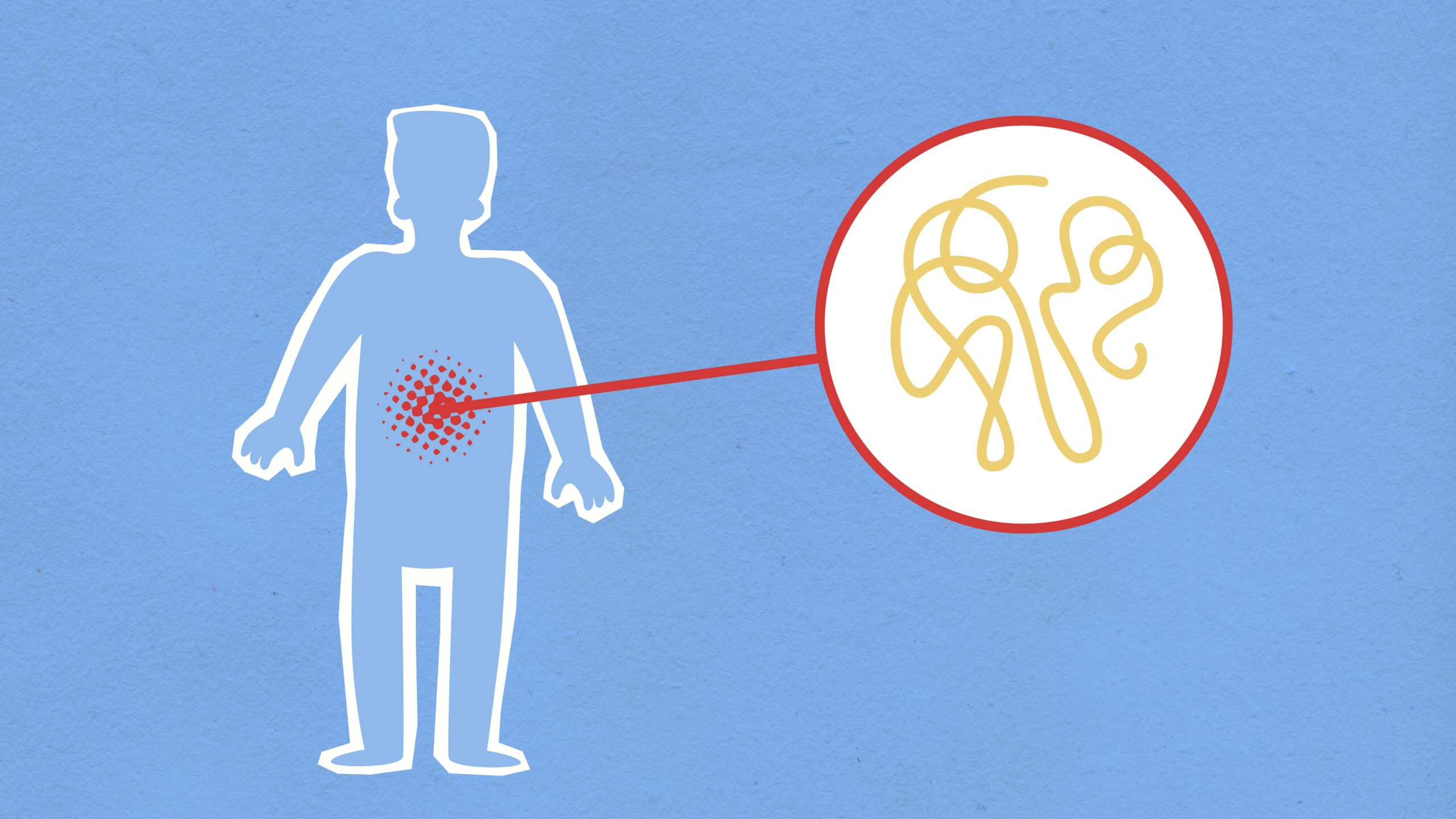
Embracing Your Unique Microbial Identity 🌟
The remarkable variability in prebiotic responses ultimately reflects the beautiful complexity of human biology. Rather than viewing this variability as frustrating, we can recognize it as evidence of our biochemical individuality—a reminder that effective health strategies must be personalized rather than universal.
Your unique microbiome, shaped by your genetics, life history, diet, and environment, deserves an approach tailored to its specific characteristics. What works brilliantly for others might not suit you, and that’s perfectly normal. The key lies in patient experimentation, careful observation, and willingness to adjust strategies based on your body’s feedback.
As our understanding of the microbiome deepens, the mystery of prebiotic response variability becomes less perplexing and more navigable. By acknowledging the factors that influence individual responses—microbiome composition, genetics, diet, underlying conditions, and lifestyle—we can develop smarter, more personalized approaches to prebiotic supplementation.
The journey toward optimal gut health isn’t about finding the “perfect” prebiotic that works for everyone. Instead, it’s about discovering which prebiotics, in what forms and amounts, support your unique microbial ecosystem. This individualized approach requires patience and self-awareness but ultimately offers the most sustainable path toward lasting digestive wellness and the broader health benefits that a thriving microbiome provides.