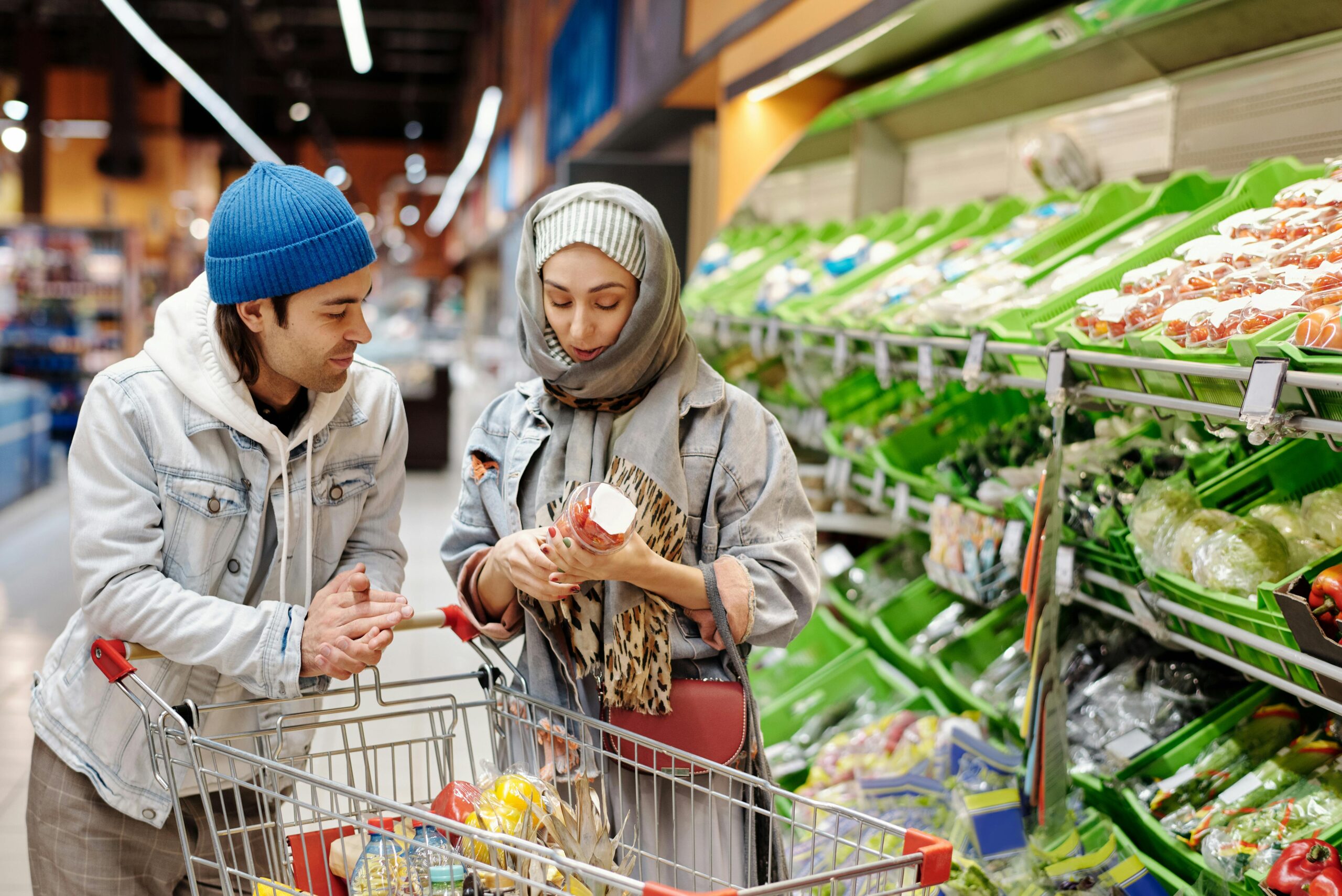
Every time we cook, we unleash a cascade of chemical reactions that transform raw ingredients into flavorful masterpieces while profoundly affecting the microscopic world within our food.

🔬 The Hidden Chemistry Behind Every Bite
Cooking is far more than simply applying heat to ingredients. It represents a sophisticated manipulation of molecular structures, enzymes, and microorganisms that have evolved over millennia. When we grill a steak, bake bread, or ferment vegetables, we’re conducting complex scientific experiments that alter not just taste and texture, but the entire biological landscape of our food.
The relationship between cooking techniques and microbial activity forms a fascinating intersection of culinary art and food science. Understanding this connection empowers us to create more flavorful dishes while ensuring food safety and maximizing nutritional value. The methods we choose—whether roasting, steaming, fermenting, or raw preparation—each create unique environments that either encourage or inhibit specific microorganisms.
Heat’s Transformative Power on Flavor Development
Temperature application remains the most fundamental cooking technique, and its impact on flavor creation cannot be overstated. When proteins and sugars meet heat above 140°C (284°F), they undergo the Maillard reaction—a complex series of chemical changes that produce hundreds of flavor compounds. This process gives us the golden-brown crust on bread, the seared exterior of meat, and the rich depth of roasted coffee.
The Maillard reaction doesn’t just create appealing colors; it generates savory, nutty, and toasted flavors that our palates instinctively crave. Different temperatures produce different flavor profiles. Low and slow cooking around 95-120°C (200-250°F) creates tender, deeply flavored results, while high-heat methods above 200°C (392°F) produce pronounced crusts with concentrated flavors.
Caramelization: Sugar’s Sweet Transformation
Distinct from the Maillard reaction, caramelization occurs when sugars break down under heat without the presence of proteins. Starting around 160°C (320°F), simple sugars transform into complex compounds that taste sweet, bitter, and nutty simultaneously. This process explains why roasted vegetables develop sweetness, why caramel sauce tastes so much richer than plain sugar, and why grilled fruits become transcendent desserts.
Caramelization also impacts microbial safety. The high temperatures required naturally eliminate most pathogenic bacteria, yeasts, and molds. However, some heat-resistant bacterial spores can survive these conditions, which is why proper food storage after cooking remains critical.
🦠 How Cooking Methods Reshape the Microbial Landscape
Raw foods harbor diverse microbial communities—some beneficial, others potentially harmful. Each cooking technique affects these microscopic inhabitants differently, creating what food scientists call the “microbial profile” of prepared food.
Dry heat methods like roasting, grilling, and baking create surface temperatures that effectively sterilize food exteriors. The Maillard reaction’s byproducts actually possess antimicrobial properties, providing an additional protective layer. However, the interior of thick cuts may remain at lower temperatures where some microbes survive, making internal temperature monitoring essential for food safety.
Moist Heat: A Gentler Microbial Elimination
Steaming, poaching, and boiling operate at lower temperatures than dry heat methods, typically around 100°C (212°F) or below. While gentler on nutrients and texture, these techniques still effectively eliminate most pathogenic bacteria when applied for sufficient duration. The moisture prevents the formation of antimicrobial Maillard compounds, but the sustained heat penetrates food more evenly than dry methods.
Sous vide cooking—where food is vacuum-sealed and immersed in precisely controlled water baths—exemplifies modern understanding of time-temperature relationships in microbial control. Extended cooking at lower temperatures (typically 55-85°C or 131-185°F) achieves pasteurization while preserving moisture and developing unique flavors impossible with traditional methods.
Fermentation: Harnessing Microbes for Flavor 🍷
Not all cooking aims to eliminate microorganisms. Fermentation deliberately cultivates specific beneficial bacteria, yeasts, and molds to transform food in remarkable ways. This ancient preservation technique has experienced a renaissance as we’ve come to appreciate both its flavor contributions and health benefits.
During fermentation, microorganisms consume sugars and produce acids, alcohol, gases, and hundreds of flavor compounds. Lactic acid bacteria transform cabbage into tangy sauerkraut and kimchi. Yeasts convert grape juice into wine and grain mixtures into beer. Specific mold species create the distinctive flavors of aged cheeses and fermented soy products.
The Flavor Complexity of Controlled Decomposition
Fermented foods develop flavor profiles impossible to achieve through heat alone. The metabolic byproducts of microorganisms include organic acids (lending tanginess), esters (fruity notes), aldehydes (complexity), and sulfur compounds (umami depth). Each fermentation culture produces a unique signature of these compounds.
The fermentation process also creates conditions hostile to pathogenic microbes. Beneficial bacteria rapidly lower pH through acid production, making environments inhospitable to most harmful organisms. Salt concentrations in many fermented foods provide additional protection by creating osmotic stress for unwanted microbes.
Raw Preparations: Preserving Natural Microbial Diversity
Raw food preparation maintains the original microbial ecosystem of ingredients, along with heat-sensitive enzymes and nutrients. Fresh fruits, vegetables, raw fish preparations like ceviche or sushi, and dishes like steak tartare rely on ingredient quality and handling practices for safety rather than heat sterilization.
Raw preparations highlight the importance of the food’s microbial starting point. Fresh produce carries environmental microbes from soil and water. Quality seafood must be properly handled and often frozen to eliminate parasites. The absence of heat means careful selection, impeccable hygiene, and often acidic marinades (which lower pH) become the primary safety measures.
Enzymatic Flavor Development Without Heat
Raw foods retain active enzymes that continue modifying flavors and textures until consumption. The enzyme myrosinase in raw cruciferous vegetables produces pungent glucosinolate breakdown products. Enzymes in raw fish gradually break down proteins into increasingly complex amino acids, enhancing umami flavors—the principle behind aged sushi.
Acidic marinades in raw preparations serve dual purposes: they denature proteins (similar to cooking) while creating inhospitable conditions for microbes. Ceviche’s lime or lemon juice “cooks” fish chemically while preventing bacterial growth. However, acids don’t eliminate parasites or all pathogenic bacteria, making ingredient sourcing paramount.
🌡️ Temperature Zones and Microbial Behavior
Understanding critical temperature ranges empowers better cooking decisions. The “danger zone” between 4-60°C (40-140°F) allows rapid bacterial multiplication. Most pathogenic bacteria thrive in this range, doubling their populations every 20-30 minutes under ideal conditions.
Above 60°C (140°F), most bacteria stop reproducing, though many survive until higher temperatures. At 75°C (167°F), most vegetative bacteria die within minutes, though heat-resistant spores require higher temperatures or pressure cooking. Between 100-120°C (212-248°F), achieved through roasting or pressure cooking, nearly all microorganisms are eliminated, including most resistant spores.
Cold Temperature Strategies
Refrigeration temperatures (1-4°C or 34-40°F) dramatically slow microbial growth without stopping it entirely. Psychrotrophic bacteria can still multiply slowly, which explains why refrigerated foods eventually spoil. Freezing below -18°C (0°F) essentially halts microbial activity, though it doesn’t kill all microorganisms—they simply become dormant until thawing.
Flash freezing at extremely low temperatures preserves food quality better than slow freezing by forming smaller ice crystals that cause less cellular damage. This technique maintains texture and reduces opportunities for microbial growth during the freezing process itself.
Fat, Water, and Flavor Solubility
Cooking fats profoundly influence flavor development and microbial environments. Fat-soluble flavor compounds—including many aromatic volatiles—require lipids for optimal extraction and delivery. Sautéing aromatics like garlic and onions in oil extracts and concentrates fat-soluble flavors that water-based methods cannot access.
The water activity (aw) of food—essentially available moisture—critically affects microbial growth. Most bacteria require water activity above 0.90, while molds and yeasts tolerate lower levels. Cooking techniques that reduce water activity (roasting, dehydrating, salt-curing) create inhospitable environments for microbes while concentrating flavors through moisture loss.
Emulsions: Marrying Fat and Water
Emulsified sauces like hollandaise or mayonnaise suspend fat droplets in water (or vice versa), creating unique textural and flavor experiences. These unstable mixtures require emulsifiers—often from egg yolks—to maintain structure. The pH and temperature of emulsions affect both stability and microbial safety, with acidic emulsions generally offering better protection against spoilage.
⚗️ Smoking: Flavor and Preservation Combined
Smoking represents one of humanity’s oldest cooking techniques, combining heat, dehydration, and chemical preservation. Wood smoke contains hundreds of compounds, including phenols, carbonyls, and acids that penetrate food surfaces, imparting distinctive flavors while creating antimicrobial and antioxidant effects.
Hot smoking (temperatures above 70°C or 158°F) cooks food while applying smoke, resulting in fully cooked products. Cold smoking (below 30°C or 86°F) flavors without cooking, requiring prior curing to ensure safety. The antimicrobial compounds in smoke inhibit bacterial growth on food surfaces, extending shelf life beyond what heat treatment alone would achieve.
Pressure and Vacuum: Modern Microbial Control
Pressure cooking achieves temperatures above water’s normal boiling point, reaching 121°C (250°F) at 15 PSI. These conditions destroy even resistant bacterial spores, making pressure cooking among the most effective sterilization methods. The high-pressure environment also accelerates flavor development and tenderizes tough proteins in fraction of conventional cooking times.
Conversely, vacuum sealing removes oxygen—an essential element for many spoilage organisms. Anaerobic conditions prevent aerobic bacteria and molds from thriving, though they create favorable environments for anaerobic bacteria. Combined with refrigeration or sous vide cooking, vacuum sealing significantly extends food preservation while maintaining quality.
🧂 Salt, Acid, and Chemical Preservation
Salt draws moisture from food through osmosis while creating hypertonic conditions that plasmolize bacterial cells. At concentrations above 10%, salt effectively preserves food by making water unavailable to microorganisms. Salt also influences flavor perception, enhancing sweetness while suppressing bitterness, and interacts with proteins to affect texture.
Acidic environments below pH 4.6 inhibit the growth of dangerous Clostridium botulinum spores, the causative agent of botulism. Pickling, marinating, and adding acidic ingredients create preservation while developing bright, tangy flavors. The specific acid used—vinegar, citrus, fermentation-produced lactic acid—contributes distinct flavor characteristics.
The Umami Revolution and Microbial Contributions
Umami, the savory fifth taste, derives primarily from glutamate and related amino acids. Many cooking techniques enhance umami through protein breakdown. Slow-roasting, long simmering, and especially fermentation break complex proteins into free amino acids, intensifying savory flavors.
Microbial fermentation produces some of the most umami-rich foods: aged cheeses, soy sauce, miso, fish sauce, and fermented black beans. The metabolic processes of specific bacteria and molds generate not just glutamate but also inosinate and guanylate—nucleotides that synergistically amplify umami perception far beyond their individual contributions.
🍳 Bringing It All Together in the Kitchen
Understanding how cooking techniques affect both flavor and microbes transforms everyday cooking from routine to intentional. Each method offers unique advantages: high-heat searing for Maillard complexity, gentle poaching for delicate proteins, fermentation for probiotic benefits and distinctive tang, and raw preparations for enzyme activity and nutrient preservation.
The most accomplished cooks combine multiple techniques strategically. They might sear meat for flavor development before finishing with gentle roasting for even cooking. They layer fermented ingredients like miso or aged cheese into sauces for umami depth. They understand that a quick high-heat char on vegetables preserves interior texture while creating flavorful caramelization.
Modern food safety knowledge need not conflict with culinary creativity. Rather, understanding microbial behavior empowers confident experimentation. Knowing that acids inhibit pathogens enables creative raw preparations. Recognizing that beneficial fermentation microbes outcompete harmful ones allows home fermentation projects. Appreciating time-temperature relationships permits safe low-temperature cooking that maximizes tenderness and moisture.
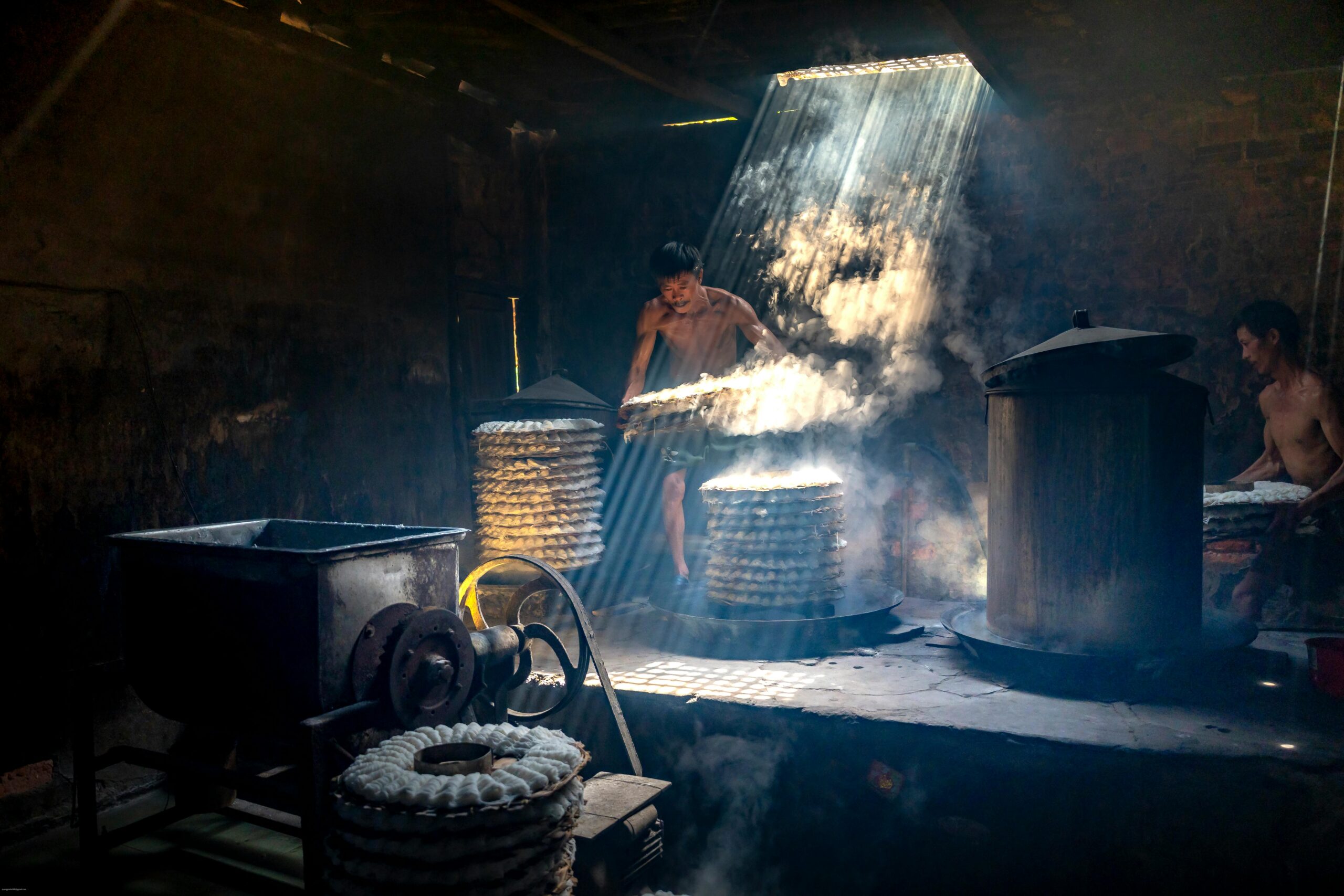
The Future of Flavor and Microbial Understanding 🔮
Emerging research continues revealing connections between cooking methods, flavor development, and microbial communities. Scientists now recognize that the human gut microbiome responds to how food is prepared, not just what ingredients are consumed. Different cooking techniques preserve or create different prebiotic compounds and resistant starches that nourish beneficial gut bacteria.
Precision cooking technologies enable unprecedented control over time-temperature profiles, allowing cooks to target specific enzymatic activities or microbial thresholds. Innovations in fermentation science identify novel microbial strains that produce desirable flavors or nutritional compounds. These advances promise increasingly sophisticated approaches to flavor development and food preservation.
As we deepen our understanding of these relationships, cooking evolves from intuition-based tradition to informed practice. The secrets of flavor emerge not as mysteries, but as logical consequences of chemical and biological transformations we can predict, control, and creatively manipulate. Every cooking decision—temperature selection, timing, ingredient combination, and technique choice—shapes both the sensory experience and the microscopic ecology of our food.
This knowledge enriches rather than diminishes cooking’s artistry. Understanding why techniques work frees us to experiment confidently, adapt traditional methods, and invent new approaches. The transformation of raw ingredients into delicious, safe, nutritious meals represents one of humanity’s most fundamental yet sophisticated activities—a perfect marriage of science, art, and the invisible microbial world that shapes everything we eat.