
Your gut is home to trillions of microorganisms that influence everything from digestion to mental health, and what you eat directly shapes this delicate ecosystem.

🦠 The Hidden World Inside: Understanding Your Gut Microbiome
The human gut microbiome is a complex community of bacteria, viruses, fungi, and other microorganisms living in your digestive tract. This microscopic universe contains approximately 100 trillion microbial cells, outnumbering your human cells by a significant margin. These microscopic residents aren’t just passive inhabitants—they’re active participants in your health, performing essential functions that your body cannot accomplish alone.
Your gut microbiome functions as a virtual organ, weighing about 2 kilograms and containing more genetic material than your entire human genome. These microorganisms produce vitamins, break down complex carbohydrates, train your immune system, and even manufacture neurotransmitters that affect your mood and cognitive function. The diversity and balance of these microbial communities determine how well your body performs countless vital processes.
When your microbiome thrives in balance, it creates a protective barrier against harmful pathogens, regulates inflammation, and helps extract maximum nutrition from your food. However, this delicate ecosystem is remarkably sensitive to dietary changes, particularly the increasing consumption of ultra-processed foods that dominate modern diets worldwide.
🍔 What Makes Ultra-Processed Foods Different?
Ultra-processed foods represent a category distinctly different from minimally processed or even moderately processed items. The NOVA classification system, developed by researchers at the University of São Paulo, defines ultra-processed foods as industrial formulations typically containing five or more ingredients, many of which you wouldn’t find in a home kitchen.
These foods undergo extensive industrial processing and contain substances extracted from foods or synthesized in laboratories. Common examples include soft drinks, packaged snacks, instant noodles, ready-to-eat meals, mass-produced breads, breakfast cereals, energy bars, and reconstituted meat products. They’re designed for convenience, long shelf life, and hyperpalatability—characteristics that make them commercially successful but potentially harmful to your gut health.
The Concerning Ingredient List
Ultra-processed foods typically contain a cocktail of additives that serve industrial rather than nutritional purposes:
- Emulsifiers: Substances like carboxymethylcellulose and polysorbate-80 that keep ingredients from separating
- Artificial sweeteners: Including aspartame, sucralose, and saccharin that provide sweetness without calories
- Preservatives: Chemicals that extend shelf life by preventing microbial growth
- Colorants and flavor enhancers: Synthetic compounds that make products more appealing
- Hydrogenated oils: Modified fats that remain solid at room temperature
- High-fructose corn syrup: An inexpensive sweetener derived from corn processing
These ingredients are rarely found in whole foods and represent a radical departure from the diet humans consumed throughout evolutionary history. Your gut microbiome, shaped over millennia to process natural foods, encounters these novel compounds with increasing frequency—and the consequences are becoming increasingly apparent.
💥 How Ultra-Processed Foods Attack Your Microbiome
Research over the past decade has revealed multiple mechanisms through which ultra-processed foods disrupt the gut microbiome. These disruptions occur through direct effects on microbial populations and indirect effects on the gut environment.
Reducing Microbial Diversity
One of the most consistent findings in microbiome research is that ultra-processed food consumption correlates with reduced bacterial diversity in the gut. Studies comparing populations with traditional diets to those consuming Western diets rich in processed foods consistently show that processed food consumers have significantly fewer bacterial species in their intestines.
This loss of diversity matters tremendously. A diverse microbiome is more resilient, better able to resist colonization by pathogens, and more capable of performing the wide range of metabolic functions your body requires. When ultra-processed foods dominate your diet, beneficial bacteria that feed on dietary fiber and resistant starches begin to starve, while species that thrive on simple sugars and artificial additives proliferate.
Damaging the Intestinal Barrier
Your intestinal lining forms a selective barrier that allows nutrients to pass while keeping harmful substances out of your bloodstream. This barrier is only one cell layer thick, maintained by tight junctions between cells and protected by a mucus layer that houses beneficial bacteria.
Emulsifiers commonly found in ultra-processed foods can thin this protective mucus layer and weaken tight junctions, leading to increased intestinal permeability—commonly called “leaky gut.” When the barrier becomes compromised, bacterial fragments and food particles can enter the bloodstream, triggering inflammatory responses throughout the body.
Promoting Harmful Bacteria
Ultra-processed foods create an environment where potentially pathogenic bacteria flourish. The high sugar content, refined carbohydrates, and lack of fiber in these foods provide ideal fuel for bacteria that produce inflammatory compounds. Simultaneously, the absence of prebiotics—the fibers that feed beneficial bacteria—starves the microorganisms you want to maintain.
Research has shown that diets high in ultra-processed foods increase populations of bacteria associated with obesity, inflammatory bowel disease, and metabolic disorders while decreasing beneficial species like Bifidobacterium and Lactobacillus.
🔬 The Scientific Evidence: What Research Reveals
Multiple lines of evidence from human and animal studies demonstrate the microbiome-disrupting effects of ultra-processed foods. A landmark study published in Cell Metabolism in 2019 kept participants on either an ultra-processed or unprocessed diet for two weeks, then switched them. Researchers meticulously matched the diets for calories, sugar, fat, fiber, and macronutrients—the only difference was the level of processing.
The results were striking: participants on the ultra-processed diet consumed approximately 500 more calories per day and gained weight, while those on the unprocessed diet lost weight. Subsequent microbiome analyses revealed significant alterations in gut bacterial composition within just two weeks of dietary change.
Another significant study from Stanford University examined how ultra-processed foods affect the production of short-chain fatty acids (SCFAs)—crucial compounds produced when beneficial bacteria ferment fiber. These SCFAs, particularly butyrate, acetate, and propionate, provide energy for intestinal cells, regulate inflammation, and influence metabolism throughout the body. Diets high in ultra-processed foods significantly reduced SCFA production, depriving the body of these beneficial metabolites.
The Inflammation Connection
Perhaps most concerning is the link between ultra-processed foods, microbiome disruption, and systemic inflammation. When your microbiome becomes imbalanced—a state called dysbiosis—it produces more pro-inflammatory compounds and fewer anti-inflammatory ones. This shift contributes to chronic low-grade inflammation that underlies numerous modern diseases.
Studies have connected ultra-processed food consumption with elevated markers of inflammation, including C-reactive protein, interleukin-6, and tumor necrosis factor-alpha. This inflammatory state has been implicated in cardiovascular disease, type 2 diabetes, certain cancers, autoimmune conditions, and neurodegenerative diseases.
🧠 Beyond the Gut: System-Wide Health Consequences
The disruption of your microbiome by ultra-processed foods extends far beyond digestive issues. The gut-brain axis—the bidirectional communication network between your intestines and brain—means that changes in your microbiome can influence mental health, cognitive function, and behavior.
Mental Health and Cognitive Function
Your gut bacteria produce approximately 90% of your body’s serotonin, a neurotransmitter crucial for mood regulation. They also manufacture other neurologically active compounds, including dopamine, GABA, and various neuropeptides. When ultra-processed foods alter your microbiome composition, the production of these mood-regulating substances changes accordingly.
Emerging research links ultra-processed food consumption with increased rates of depression and anxiety. Studies have found that individuals consuming the highest amounts of ultra-processed foods have significantly elevated risks of depression compared to those eating primarily whole foods. While correlation doesn’t prove causation, the microbiome provides a plausible biological mechanism for this association.
Metabolic Health and Weight Regulation
Your microbiome influences how efficiently you extract calories from food, how you store fat, and how your body responds to insulin. Certain bacterial populations associated with obesity become more prevalent with ultra-processed food consumption, while those associated with healthy metabolism decrease.
Additionally, the microbiome affects hormones that regulate appetite and satiety. Disrupted microbial communities produce altered levels of peptide YY, glucagon-like peptide-1, and other signaling molecules that tell your brain when you’re full. This disruption may help explain why ultra-processed foods seem to override normal satiety mechanisms, leading to overconsumption.
Immune System Dysfunction
Approximately 70% of your immune system resides in or around your gut, constantly interacting with your microbiome. This relationship is not coincidental—your immune cells learn to distinguish friend from foe largely through exposure to gut bacteria. When ultra-processed foods disrupt this ecosystem, immune function suffers.
Research indicates that microbiome disruption increases susceptibility to infections, elevates allergy and asthma risk, and may contribute to autoimmune conditions where the immune system mistakenly attacks the body’s own tissues.
🥗 Rebuilding Your Microbiome: Practical Strategies
The good news is that your microbiome demonstrates remarkable plasticity—it can change relatively quickly in response to dietary modifications. Studies show measurable shifts in bacterial populations within just 24-48 hours of dietary changes, with more substantial remodeling occurring over weeks and months.
Prioritize Whole Foods
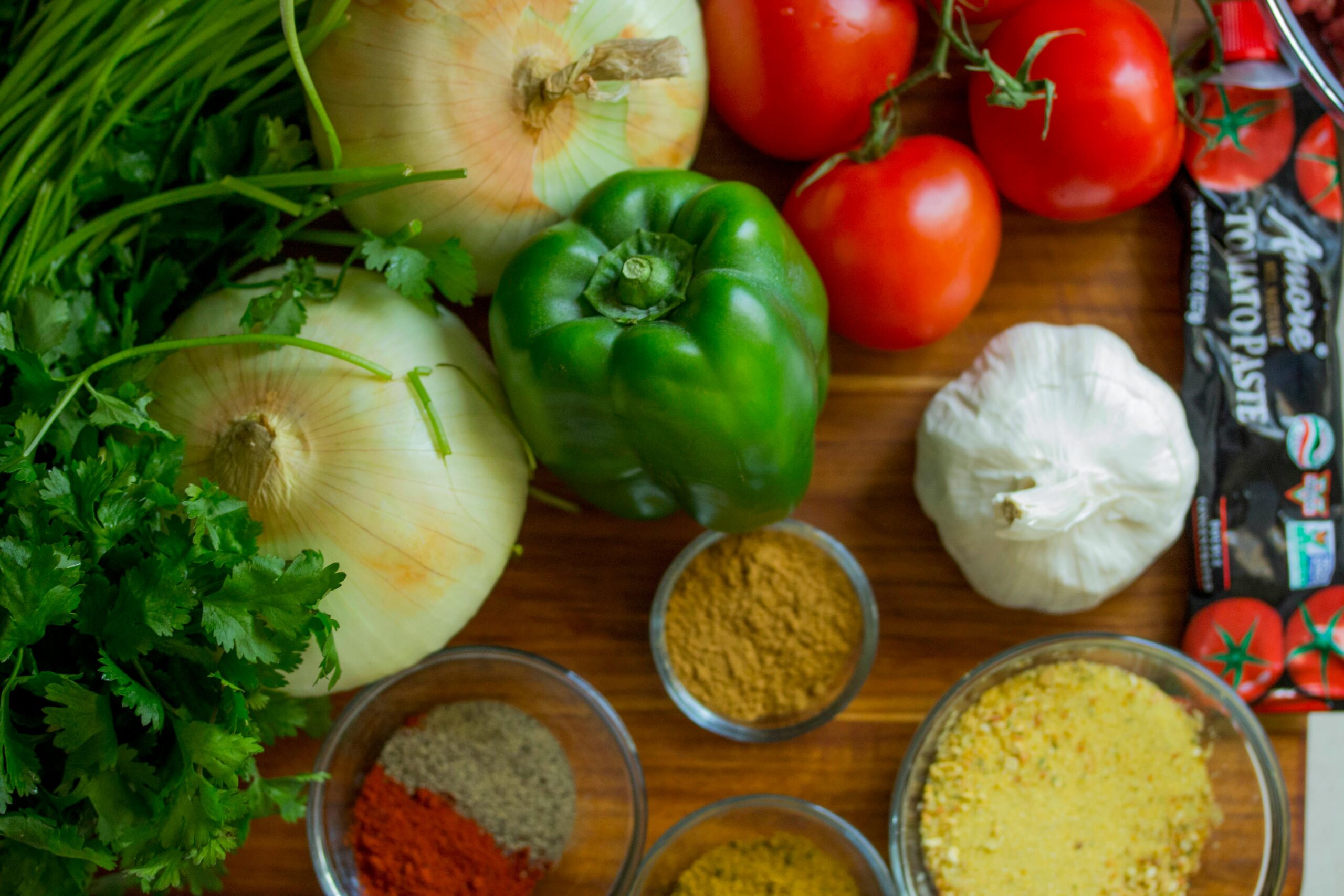
The foundation of microbiome health is a diet rich in minimally processed whole foods. Focus on vegetables, fruits, whole grains, legumes, nuts, seeds, and fermented foods. These provide the diversity of nutrients and fiber that support beneficial bacterial populations.
Aim for at least 30 different plant foods weekly—a target that research suggests optimizes microbiome diversity. This doesn’t mean 30 servings, but 30 different types: various vegetables, fruits, whole grains, legumes, nuts, seeds, and herbs all count toward this goal.
Feed Your Beneficial Bacteria
Prebiotic fibers serve as food for beneficial bacteria, helping them thrive and outcompete harmful species. Excellent prebiotic sources include:
- Onions, garlic, and leeks
- Jerusalem artichokes and asparagus
- Bananas, especially slightly underripe ones
- Oats, barley, and other whole grains
- Legumes including chickpeas, lentils, and beans
- Apples, berries, and other fruits with skin
These foods resist digestion in your small intestine, reaching your colon intact where beneficial bacteria ferment them into health-promoting short-chain fatty acids.
Include Fermented Foods
Fermented foods naturally contain beneficial bacteria that can temporarily colonize your gut and support overall microbial health. Regular consumption of yogurt with live cultures, kefir, sauerkraut, kimchi, kombucha, miso, and tempeh provides these probiotic organisms along with the fermentation byproducts that nourish your microbiome.
Research from Stanford University found that a diet rich in fermented foods increased microbiome diversity and decreased inflammatory markers more effectively than a high-fiber diet alone, suggesting fermented foods offer unique benefits.
🛒 Making Better Food Choices in a Processed World
Completely eliminating ultra-processed foods may be unrealistic for many people given time constraints, food access issues, and social contexts. However, you can significantly reduce your consumption through strategic choices.
Read Ingredient Lists Carefully
Generally, if a product contains ingredients you don’t recognize or wouldn’t use in home cooking, it’s likely ultra-processed. Products with five or fewer recognizable ingredients tend to be less processed. Pay particular attention to added sugars (which appear under dozens of different names), artificial sweeteners, emulsifiers, and flavor enhancers.
Cook More Meals at Home
Home-cooked meals from whole ingredients automatically avoid most ultra-processed food pitfalls. Even simple meals assembled from minimally processed components—like a stir-fry with vegetables, rice, and a protein source—dramatically improve diet quality compared to ready-made alternatives.
Batch cooking on weekends, using simple recipes, and keeping staple ingredients on hand makes home cooking more manageable even with busy schedules.
Choose Strategic Convenience Options
Not all convenient foods are ultra-processed. Pre-washed greens, frozen vegetables and fruits, canned beans and tomatoes, plain yogurt, and pre-cut fresh produce offer convenience without the harmful additives. Building meals around these minimally processed convenience items saves time while protecting your microbiome.
⚕️ When Damage Has Occurred: Healing Your Gut
If you’ve consumed a diet high in ultra-processed foods for years, you may wonder if damage can be reversed. Research suggests that while some changes may persist, substantial improvement is possible with dietary intervention.
The timeline for microbiome recovery varies among individuals. Some people notice digestive improvements within days of dietary changes, while more complete microbiome restructuring typically requires several months. Consistency matters more than perfection—regularly prioritizing whole foods and minimizing ultra-processed options creates the conditions for beneficial bacteria to re-establish themselves.
For individuals with significant dysbiosis or gut health issues, working with a healthcare provider or registered dietitian specializing in gut health can provide personalized guidance. In some cases, targeted probiotic supplementation, elimination of specific trigger foods, or additional interventions may accelerate healing.
🌟 Your Microbiome, Your Health Future
Understanding the connection between ultra-processed foods and microbiome disruption empowers you to make dietary choices that protect one of your body’s most crucial systems. Your gut microbiome influences virtually every aspect of health—from digestion and immunity to mental well-being and chronic disease risk.
Ultra-processed foods, despite their convenience and palatability, fundamentally clash with the dietary patterns that shaped human gut microbiology over millennia. These industrial formulations reduce microbial diversity, damage the intestinal barrier, promote harmful bacterial populations, and trigger inflammatory processes that undermine health across multiple body systems.
The solution doesn’t require perfection or complete elimination of all processed foods. Rather, it involves a gradual shift toward a diet centered on whole, minimally processed foods that nourish both your body and the trillions of microorganisms supporting your health. Every meal presents an opportunity to feed your microbiome well, supporting the delicate ecosystem that, in turn, supports your overall health and vitality for years to come.
By understanding these connections and making informed choices, you take control of one of the most powerful determinants of your long-term health—the microscopic universe living within your gut.